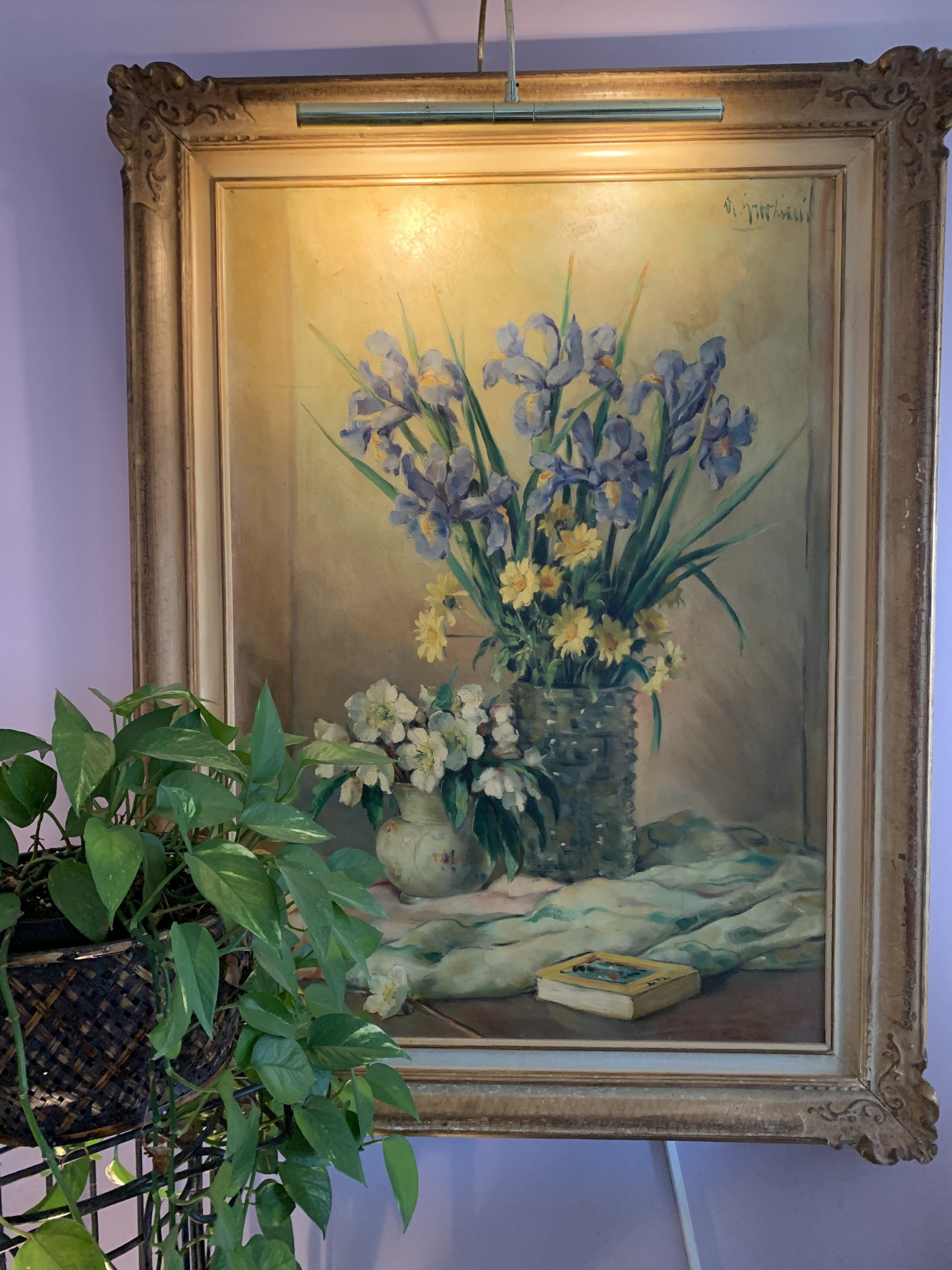
Every room looks better with a touch of green. Beyond their decorative charm, live plants are an affordable, win-win accessory that actively purifies your indoor air. If you worry about the upkeep, rest assured that during our Transformational Organization process, we will build a simple, seamless care routine directly into your schedule.
Choosing the Right Plants & Pots
Many indoor plants thrive with minimal light and low maintenance. Start by visiting a local nursery or home improvement store to find varieties that match the natural lighting available in your home.
When it comes to potting, feel free to think outside the box and get creative. You can repurpose unused household items like large bowls, wooden boxes, or unique vases. If your favorite container lacks drainage, simply buy a specialized tile and glass drill bit at your local hardware store to safely drill a hole in ceramic, pottery, or glass. Just remember that once a container is drilled, it belongs permanently to your plants.
Always use a high-quality indoor potting mix. To enhance the look of tall, upright plants, try planting smaller trailing varieties underneath them or dressing the base with attractive green moss to hide the bare soil.
Essential Care & Maintenance
- Watering: Place your plants in a well-lit area and water them once a week, taking care not to overwater.
- Moisture Balance: Use Aqua Globes to keep the soil perfectly balanced between waterings.
- Winter Adjustments: When winter arrives and indoor heaters dry out the air, use a spray bottle to mist the leaves regularly.
Eco-Friendly Soil & DIY Composting
Every spring, give your plants a fresh start by repotting them. You can completely avoid buying commercial soil by making your own miniature vermicompost bin using a small glass aquarium:
- Set up the bin: Add dry fall leaves, a little starter soil, and live worms (available at bait shops or sporting goods departments).
- Maintain the environment: Cover the aquarium with a grate to maintain proper airflow. Keep the bin in a convenient spot right outside your door under a protective eave, or cover it with wood or plastic if it sits out in the open rain. In the winter, move it to the garage so the worms don’t freeze.
- Feed the soil: Regularly toss in your kitchen scraps and shredded newspaper, stirring the mixture with a designated long spoon to accelerate decomposition.
When springtime arrives, pull your plants from their pots and empty the old soil into a bucket. Stir in a cup of your fresh, nutrient-rich homemade compost to recharge it, and use this amended mix to repot. Any leftover old soil can go right back into your compost bin to be reconditioned.
Clever Natural Fertilizers
Always follow the specific feeding instructions that come with your plants, but consider these highly effective, zero-waste kitchen shortcuts for natural fertilizer:
- Vegetable Water: Use cooled liquid drained from canned vegetables.
- Eggshell Tea: Use water that has been used to soak empty eggshells.
- Aquarium Water: Use nutrient-packed water from freshwater fish tanks or betta bowls during water changes.
Refreshing Faux Greenery
If you have windowless or low-light spaces where live plants cannot survive, high-quality silk or artificial plants are excellent alternatives. However, they do collect dust. To rejuvenate them and keep your home allergen-free, fill your kitchen sink with warm water and 1/2 cup of Murphy’s Oil Soap.
Quickly swish smaller artificial plants in the mixture to coat the leaves, then pull them out to air dry—no rinsing required! For oversized artificial plants, move them outdoors and completely saturate them using a spray bottle filled with the same soap solutionc.
Live Plants vs. Artificial Plants
| Feature | Live Plants | Artificial Plants |
|---|---|---|
| Primary Benefit | Cleans the air and adds a dynamic, natural element. | Provides a green look in zero-light areas. |
| Light Requirements | Varies, but requires some natural light. | None. |
| Watering & Feeding | Requires weekly watering, misting in winter, and fertilizer. | None. |
| Maintenance Burden | Needs an established care routine and annual repotting. | Collects dust; requires periodic deep cleaning. |